NZ-COLON C
SUPPORT BOWEL HEALTH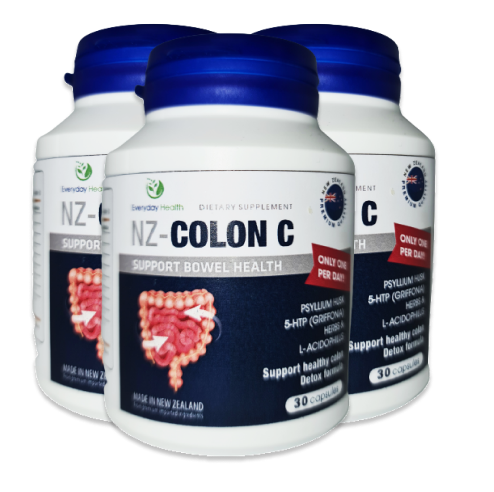
Because of colon stores food, so it contains many harmful bacteria.
Then some common colon diseases as below:
The colon is an organ that is often attacked by bacteria and fungi
Colitis is a condition in which bacteria enter the colon and cause an infection. Lesions may be localized to a few points or spread throughout the colonic mucosa to varying degrees. In mild cases, the colonic mucosa is less stable and prone to bleeding. With a severe degree, the inflammation is easily ulcerated, congested, even forming small abscesses.
Acute colitis usually presents in small episodes. If not treated early, it will progress to severe chronic colitis, which is very dangerous and difficult to treat. The disease can develop into an enlarged colon, sepsis, intestinal perforation, and even life-threatening colon cancer.
Colitis accounts for a high percentage of digestive diseases in Vietnam. The main cause of the disease often comes from mistakes in diet and living. To avoid catching colon disease, or avoid dangerous complications, people should improve prevention by establishing a scientific diet and drinking; reasonable rest activities, avoid stress; Periodic deworming. In addition, people should also go for annual health check-ups to screen, detect and treat colitis early.
Also known as irritable bowel syndrome. This is an abnormal condition of bowel movements, causing severe abdominal pain along with very uncomfortable bowel disorders.
Ischemic colitis is a common colon disease in people who are often stressed, tired, and overworked. In addition, not eating at the right time, eating in moderation also has the risk of causing disease and making the disease more and more severe.
A disease in which cells form small masses right on the lining of the colon. Usually, polyps are benign, not harmful. However, if left for a long time, this polyp can develop into colon cancer, harming the health and life of the patient.
In addition, if not removed early, polyps will grow larger and have the risk of intestinal obstruction, causing abdominal cramps and vomiting.
Colon cancer is a particularly dangerous disease of the colon. The disease is caused by the formation of malignant tumors. They can appear anywhere in the colon and become more widespread if left unchecked.
Colon cancer is often difficult to detect in the early stages, by the time it is detected, the disease is already in an advanced stage, and treatment is extremely difficult. If detected late, tumors can spread to other parts of the body. At this time, the patient's chances of survival are very slim.
Crohn's disease is simply called inflammatory bowel disease. It can cause inflammation anywhere in the intestinal tract, including the colon.
Symptoms of Crohn's disease are often more severe than those of common inflammatory bowel disease. If not treated early, the disease can cause many other complications such as dermatitis, arthritis, bile duct inflammation ...
There are many different diseases associated with colon disease. Each disease has its own characteristics and signs, but in general, when suffering from diseases related to the colon, the patient will experience some of the following symptoms:
The above symptoms are not specific to colon disease because it can be a manifestation of some other gastrointestinal disease. However, if you encounter unusual problems, you need to see a doctor immediately to get an accurate diagnosis.
NZ-COLON C is a carefully formulated formula to enhance colon resistance. This is a safe choice for people with intestinal-related diseases such as acute colitis, chronic colitis, irritable bowel syndrome ... and helps eliminate toxic substances accumulated in the digestive tract.
| Amount Per Serving | % Daily Value | |
|---|---|---|
| Psyllium Husk Powder | 250mg | * |
| Wheat Grass Powder | 100mg | * |
| Phellodendron amurense powder | 60mg | * |
| Fennel Seed Powder | 60mg | * |
| Alfalfa Leaf (Medicago sativa) Powder | 50mg | * |
| Papaya Leaf Powder | 50mg | * |
| Ginger Root Powder | 150mg | * |
| Bentonite | 40mg | * |
| L. Acidophilus | 11mg | * |
| 5-HTP (5-hydroxytryptophan) (from Griffonia simplicifolia Extract) (Seed) | 6mg | * |

Psyllium is a soluble fiber derived from the seeds of the plant Plantago ovata, an herb commonly grown in India and the Mediterranean region.
Psyllium has the ability to absorb water, can form a viscous gel in the intestine
What are the health benefits of Psyllium Husk with the gut?
Treats Constipation: The fiber from Psyllium bark is often used to treat constipation because it increases bulk in the stool, thereby causing bowel movements. It also makes stools softer and easier to pass.
Treats Diarrhea: Due to its strong water-absorbing properties, the fiber from psyllium husks can increase stool thickness and slow its passage through the large intestine. Therefore, taking fiber from psyllium husks can reduce diarrhea.
Psyllium Husk may also be beneficial in many other conditions such as:
• Irritable bowel syndrome
• Crohn's disease
• Colitis
Ginger is effective in reducing acute colitis and preventing chronic colitis and cancer caused by colitis. Increases the viability and proliferation of cells in the colonic mucosa. They also reduce the amount of proteins that promote inflammation and increase the levels of anti-inflammatory proteins.
Why can ginger reduce intestinal inflammation?
It is the fat molecules in the seeds generated from the ginger extract that make up the healing effect. It's natural lipids, including phosphatidic acid in ginger, that help build cell membranes.
The other active ingredients in ginger are 6-gingerol and 6-shogaol. Previous research has shown that these compounds may help prevent oxidation, prevent inflammation, and fight cancer.
These same ingredients also make ginger effective against nausea and other digestive problems.
In addition to its antioxidant properties, studies have also shown that ginger has anti-inflammatory and antibacterial properties.
Wheatgrass is the sprout of the wheat plant (Triticum aestivum). It grows in temperate regions throughout Europe and the United States,
Wheatgrass is a rich source of natural vitamins and minerals, including: Vitamins A, C, E, Ka and B6, calcium, selenium, magnesium, iron, etc. Helps improve symptoms of ulcerative colitis . A study in 2002 by researchers in Israel showed that: Treatment with wheatgrass juice helped reduce the symptoms of ulcerative colitis - inflammation of the colon.
The composition of cypress contains 1.6% berberine C20H19O5N. The most common clinical effects of berberine are against diarrhea caused by bacteria, intestinal parasites. Berberin has the advantage that when used to treat intestinal infections berberine will not affect the normal development of beneficial bacteria in the intestine.
Alfalfa is native to South and Central Asia, but has been cultivated around the world for centuries. Alfalfa is an herb used to detoxify the body. Alfalfa acts as a diuretic, anti-inflammatory, and anti-fungal agent. There are many other uses for Alfalfa Leaf, such as benefits for: cholesterol, blood sugar, hormones, anemia, arthritis, ulcers, bone and joint disorders, skin problems and some diseases related to the gastrointestinal tract.
It helps to cleanse the body, has a high detoxifying ability, strengthens immunity, digestive system, heals wounds.
Anise seeds are native to the Mediterranean regions. Grown on a large scale, widely in countries such as India, Japan, Central and Eastern Europe.
Anise seeds are used as medicine, are benign herbs, safe for users. It can cure digestive disorders, kidney disease, liver disease, cardiovascular disease, diabetes, stomach ulcers, flu...
Anise seeds can help aid digestion and prevent bloating and stomach upset.
In one study, it was able to eliminate colic in 40 of 62 children in the treatment group.
Papaya leaf extract is often used as an alternative therapy to relieve unpleasant digestive symptoms, such as bloating, gas, and heartburn. Papaya leaves contain fiber – a nutrient that supports healthy digestive function – and a unique compound called papain which is a digestive enzyme, and chymopapain helps break down proteins, carbohydrates and fats to speed metabolism change yours naturally.
It is naturally derived from the seeds of Griffonia simplicifolia, a 3m tall woody shrub native to Africa that bears green flowers.
5-Hydroxytryptophan (5-HTP), also known as oxitriptan, is a naturally occurring amino acid and chemical precursor as well as a metabolic intermediate in the biosynthesis of the neurotransmitter serotonin. Nerves are secreted under the action of stimulating impulses in the intestinal lumen.
5-HTP helps stabilize the colonic nervous system, reduce the sensitivity of the colon, thereby helping to stabilize the disease and reduce recurrence.